Davis Lead Safe Exterior Painting: Prep Questions for Older Homes
The risky part of an older house paint job is not the color. It is what happens before the first coat goes on.
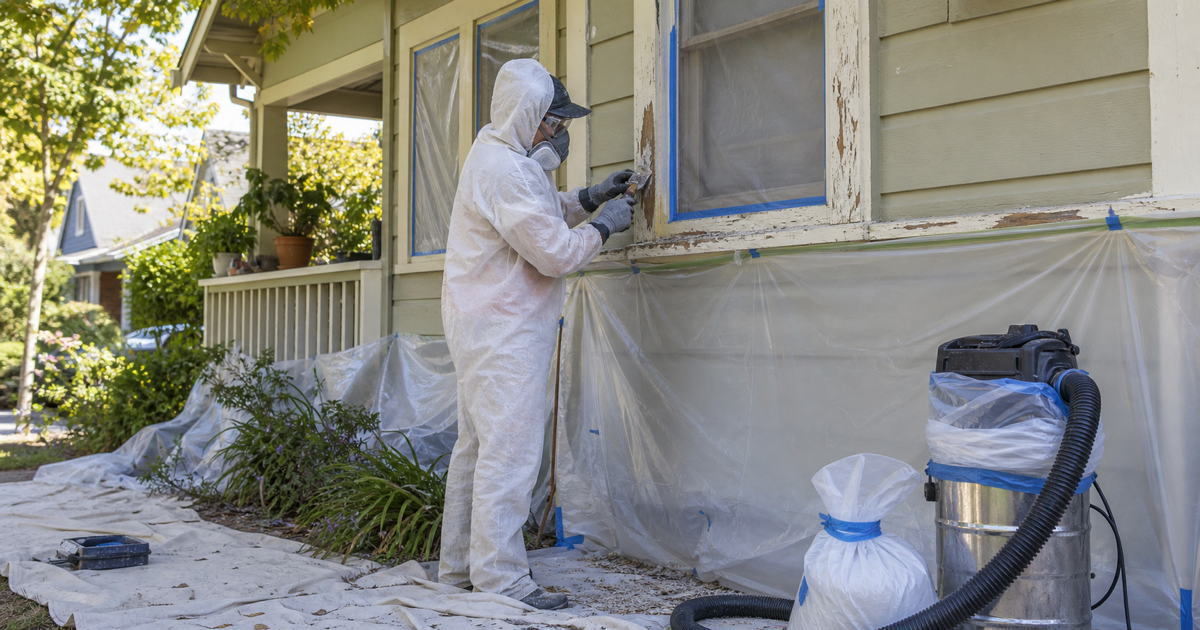
In Davis, that can catch homeowners off guard. A 1940s bungalow near campus, a Central Davis rental, or a tired ranch house west of downtown may have layers of old exterior paint under the newer finish. The siding looks chalky. Trim is peeling at the sill. A painter says they can scrape it clean next week. Another says the house is pre 1978 and needs lead safe prep, containment, and a different cleanup plan.
The second conversation is the one to take seriously. Exterior painting on an older home is not just a cosmetic bid when paint will be disturbed. It can touch EPA lead rules, worker safety, neighbor exposure, dry rot repair, siding replacement, window trim, gutters, permits, and the difference between a licensed painter and a crew that is only comfortable rolling paint over stable surfaces.
Use this chart before comparing bids. For older Davis homes, the preparation method and cleanup plan can matter more than the paint brand.
Why Davis Homes Need a Different Paint Conversation
Davis has plenty of homes old enough to fall into the pre 1978 category, especially around Central Davis, Old East Davis, University Avenue, the blocks near downtown, and older postwar neighborhoods. A house does not need to look historic to have old coatings under the current paint. Trim, porch posts, eaves, window sashes, fascia, and garage doors often hold the oldest layers because they have been patched instead of fully replaced.
That does not mean every older home is a crisis. It does mean the painter should know when the EPA Renovation, Repair and Painting rule applies, how to test or assume lead based paint, how to contain chips and dust, and how to keep the job from spreading debris into soil, planting beds, patios, neighboring yards, or open windows.
The mistake is treating peeling paint as just a prep problem. On a newer home, scraping and sanding may be straightforward. On a pre 1978 home, the same action can create contaminated dust if it is done casually.
Start With Build Year, Paint Condition, and Testing
Before asking for a price, find the home's approximate build year. If it was built before 1978, ask the painter how they handle RRP covered work. A lead safe certified firm can either assume lead is present or use an EPA recognized test method for the surfaces being disturbed. If only one wall, one porch, or a few windows are being repaired, the question is still surface specific: which painted components are being disturbed?
Ask the contractor to walk the house with you and separate stable paint from failed paint. Stable painted siding may need washing, light prep, spot priming, and repainting. Peeling trim, alligatoring paint, loose chips at the foundation, or sanding around old windows is a different risk profile.
A useful estimate should say whether testing is included, which sides or components are being disturbed, how the crew will keep dust down, and what cleanup standard they use before the job is considered finished.
Match the Contractor to the Real Scope
For a straightforward exterior repaint, the lead should usually be a C 33 painting contractor with exterior prep experience and current insurance. For a pre 1978 project where paint will be disturbed, ask for EPA Lead Safe Firm certification and confirm that a certified renovator will direct or perform the covered work. The certification is separate from the California contractor license.
If the work includes rotten trim, failing siding, window repair, porch carpentry, gutter removal, stucco patching, or structural repair, the painter may not be the only contractor you need. A B general contractor can coordinate multiple trades. A siding contractor, roofer, gutter installer, carpenter, or window contractor may belong in the scope if water damage is driving the paint failure.
Be careful with bids that say "scrape, sand, paint" and nothing else on an older house. That may be fine for a newer property. It is not enough for a Davis home where old paint layers, bare soil, pets, kids, garden beds, and neighbors are part of the job site.
What a Useful Estimate Should Separate
For Davis area exterior painting, a simple repaint on a small, newer house might land around $5,000 to $10,000. Older home lead safe prep, detailed trim, containment, primer work, carpentry repair, and multi story access can move the project into the $12,000 to $28,000 plus range. If siding or window repairs are substantial, the painting estimate should not pretend those repairs are minor.
Ask each bidder to separate:
- Lead safe status. Build year assumption, test method, EPA firm certification, certified renovator role, and whether RRP paperwork is included.
- Preparation method. Wet scraping, HEPA sanding, chemical stripping, spot priming, caulking, glazing, and what methods are not allowed.
- Containment. Ground protection, vertical containment where needed, window and door protection, soil and planting bed protection, and end of day cleanup.
- Repairs. Dry rot, siding boards, fascia, trim, porch railings, window sills, gutters, downspouts, and who owns each repair.
- Permit assumptions. Whether the scope is just finish work or includes siding, windows, structural repair, electrical, or other permit sensitive work.
- Paint system. Primer type, topcoat product, number of coats, sheen, color change assumptions, and manufacturer warranty limits.
- Access and neighbors. Ladder or lift needs, alley access, shared fence lines, parking, pets, tenants, and how dust is kept out of adjacent spaces.
The lowest bid is not ready to compare until those assumptions are visible.
Permits and Paperwork: What Usually Changes the Answer
Painting by itself is commonly treated as finish work, and Davis building guidance lists painting among work that is exempt from a building permit. That does not make the whole project permit free. Replacing siding, altering windows, repairing structural damage, changing electrical fixtures, rebuilding porch elements, or doing other regulated work can change the permit path.
This is where homeowners get stuck. The paint failure is visible, but the cause might be failed flashing, gutter overflow, trim rot, sprinkler spray, roof edge leaks, or old window glazing. If the repair becomes more than paint, ask who will call the City of Davis Building Division, who will pull any needed permit, and whether the painter's scope stops before that repair begins.
For lead safe work, also ask what documentation you receive. At minimum, you want the contractor's license information, EPA Lead Safe certification details when RRP applies, insurance proof, written scope, cleanup expectations, and any testing records or photos that explain what was done.
Red Flags on an Older Exterior Paint Bid
A few warning signs are easy to spot:
- The contractor says lead rules do not matter because the work is outside.
- The crew plans to dry sand or power sand peeling old paint without HEPA controls.
- Paint chips are expected to fall into soil, mulch, planters, or a neighbor's side yard.
- The bid has no plan for windows, pets, kids, tenant access, or daily cleanup.
- Rotten trim is described as "we will see" without an allowance or repair process.
- The contractor cannot explain the difference between a CSLB painting license and EPA Lead Safe certification.
Good painters are not casual about prep. They may still be practical and efficient, but they can explain where the dust goes, how chips are collected, and what happens if repair work expands after washing or scraping starts.
Questions to Ask Before You Sign
- Was the home built before 1978, and how does that change your prep plan?
- Are you an EPA Lead Safe Certified firm, and who is the certified renovator for this job?
- Which surfaces will be tested, assumed lead positive, or left undisturbed?
- What containment will protect soil, patios, planting beds, windows, and neighboring property?
- Will any dry rot, siding, window, fascia, gutter, or porch repair be included?
- Does any part of the work need a Davis building permit or another licensed trade?
- What primer and paint system are you using, and what surface conditions void the warranty?
- How will you document cleanup and final condition before the crew leaves?
If the answer to every hard question is "do not worry about it," keep looking.
Internal Homework Before You Hire
For local context, start with our Davis contractor guide, compare licensed painting contractors, siding contractors, window contractors, gutter installers, and general contractors. Use the contractor search when you are ready to build a shortlist.
For related planning, pair this with our house painting cost guide, exterior painting cost guide, Davis inspection repair guide, older home renovation guide, and California permit basics.
The Bottom Line
A Davis exterior paint job on an older home should start with prep, not color. Confirm the build year, ask how lead safe work will be handled, separate paint from repair scope, and make the permit assumptions visible before anyone starts scraping. The right contractor will leave behind a cleaner house, a better finish, and fewer questions about what got spread around the yard.